Sacred Recovery: Replacing Addiction’s Lies with Faith and Truth

Addiction is a master of deception. It whispers promises of comfort, control, and escape, only to deliver pain, shame, and spiritual emptiness. It feeds on brokenness and convinces individuals that healing is impossible. Yet, there is another path—one built on truth, faith, and purpose. At Amritsarovar, we believe recovery is not just about breaking free from addiction but about rediscovering the sacred truth of who you are and what your life was meant to be.


Understanding the Lies of Addiction

The False Promises of Relief and Control

Addiction begins as a coping mechanism. Whether through alcohol, drugs, or other compulsive behaviors, it offers a temporary escape from pain or emptiness. For a moment, it feels like relief. But that sense of control quickly fades as the substance takes control instead. What once felt like a friend becomes a master, trapping the individual in a cycle of dependence and despair.

The Spiritual Void

Beyond the physical and emotional damage, addiction creates a spiritual emptiness. It replaces faith with fear and truth with self-deception. The individual begins to believe they are beyond redemption or undeserving of love. Recognizing this spiritual deception is a vital step toward recovery. Healing begins when one replaces these lies with the truth that every person is worthy of grace, forgiveness, and restoration.


Rebuilding with Faith and Truth

Faith as a Foundation for Healing

Faith provides something addiction never can: genuine hope. It invites individuals to surrender their struggles and trust in something greater than themselves. At Amritsarovar, our faith-based recovery programs are designed to help clients rediscover spiritual strength. Through prayer, meditation, and reflective counseling, individuals begin to rebuild trust in themselves and in a higher purpose that sustains lasting healing.

Replacing Destructive Patterns with Sacred Practices

Addiction thrives in chaos, but recovery flourishes through structure and purpose. Replacing harmful behaviors with healthy spiritual practices brings balance to the mind, body, and spirit. This may include daily mindfulness, scripture study, community worship, or journaling. These rituals foster discipline and connection, creating a stable foundation for lasting sobriety.

Restoring Identity and Purpose

Addiction strips away identity, leaving individuals feeling lost and unworthy. Faith restores what addiction has taken. By understanding that one’s worth is not defined by past mistakes, but by divine love and potential, individuals can begin to live with renewed confidence and purpose. This spiritual transformation is at the heart of sacred recovery.


The Role of Holistic and Individualized Care

Healing the Whole Person

True recovery requires more than willpower. It requires a holistic approach that heals the physical, mental, emotional, and spiritual aspects of life. At Amritsarovar, our treatment programs combine evidence-based therapies with faith-centered guidance. Whether in inpatient or outpatient care, every plan is personalized to meet the individual where they are in their journey.

The Power of Community Support

Recovery thrives in connection. Supportive relationships provide accountability, encouragement, and understanding. Through group sessions, family counseling, and peer mentorship, individuals find strength in shared experiences and discover they are not alone. Healing becomes a community effort, grounded in compassion and truth.


Walking in Truth and Freedom

Addiction thrives in lies, but recovery begins with truth. By replacing addiction’s false promises with faith and purpose, individuals can experience transformation that reaches beyond sobriety and into the heart of spiritual renewal. At Amritsarovar, we walk beside every person on this sacred journey, offering guidance, compassion, and holistic care that leads to lasting freedom. If you or someone you love is ready to take that first step toward truth and healing, reach out today. Your new beginning can start here.
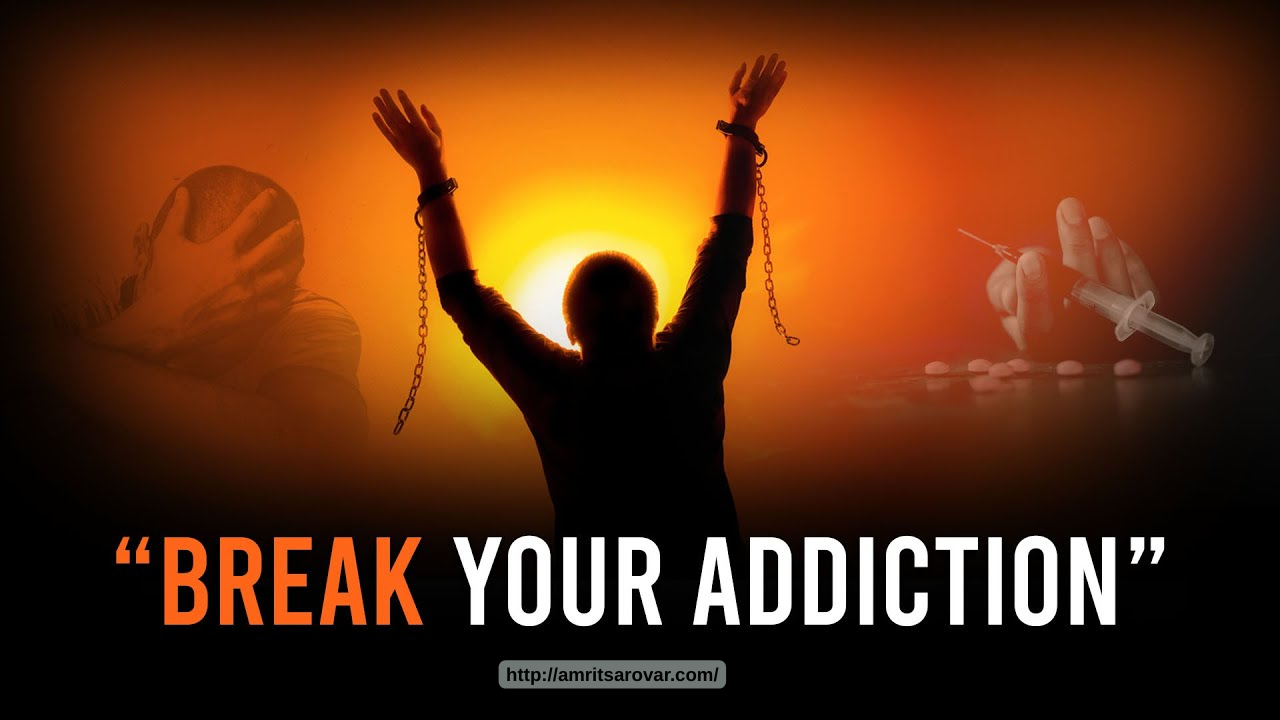

Beyond the Chains: Restoring Purpose After Addiction’s Cult Control

Addiction has a way of controlling life so completely that it can feel like belonging to a cult. It demands loyalty, dictates choices, and convinces individuals that there is no way out. The false promises of escape and relief slowly turn into chains of dependence that bind the mind, body, and spirit. Yet freedom is possible. At Amritsarovar, we believe that recovery is not only about breaking those chains but about rediscovering true purpose, restoring identity, and returning to a life of wholeness and meaning.


Understanding the Cult-Like Nature of Addiction

How Addiction Gains Control

Much like a cult, addiction establishes rituals and patterns that dominate daily life. What begins as a choice often becomes a cycle of dependency. The substance or behavior begins to dictate priorities, relationships, and even self-worth. The longer this continues, the more difficult it feels to leave, reinforcing the illusion of control.

The Cost of Devotion to Addiction

Addiction demands sacrifice. Health deteriorates, relationships suffer, finances crumble, and personal values erode. Individuals may feel as though they are serving something that continually takes without giving anything back. Recognizing this destructive exchange is the first step in reclaiming freedom.


Breaking the Chains and Restoring Purpose

Honesty as the First Step

Freedom begins with honesty. Admitting the reality of addiction takes courage but also opens the door to healing. At Amritsarovar, we provide a compassionate environment where individuals can safely confront the truth of their struggles without judgment.

Replacing Destructive Patterns with Healing Practices

Breaking free is not only about abstaining from harmful behaviors. It also involves creating new, life-affirming habits. Practices such as prayer, meditation, physical wellness, therapy, and community connection help restore balance to the whole person. Over time, these new rhythms provide strength and stability.

Rediscovering Identity Through Faith and Purpose

Addiction clouds identity, often convincing individuals that they are defined by failure. Faith-based recovery offers a different truth: that each person has inherent worth and purpose. By shifting devotion from the false promises of addiction to a foundation built on hope and faith, individuals begin to rebuild a meaningful life.


The Power of Holistic and Individualized Care

Healing the Whole Person

At Amritsarovar, recovery is approached with a holistic model that integrates mind, body, and spirit. Our inpatient and outpatient programs provide evidence-based therapies, faith-centered guidance, and personalized care. Each individual’s path is unique, and our treatment plans are designed to meet those specific needs.

The Importance of Community

No one should face recovery alone. Supportive relationships in group therapy, family counseling, and peer communities create accountability and encouragement. Healing is stronger and more sustainable when shared with others who understand the journey.


Step Into Freedom and Purpose

Addiction may have controlled your life like a cult, but you are not defined by its grip. Freedom comes when you choose to step beyond the chains and embrace a new path. At Amritsarovar, we are committed to walking with you every step of the way, offering compassionate care, holistic healing, and faith-based support. If you or someone you love is struggling, today can be the day to begin again. Reach out now and discover the strength to break free and restore your true purpose.

False Altars: How Addiction Hijacks Worship and How to Take It Back

Addiction is not just a struggle of the body or mind. It can also be a spiritual battle, taking the place of what many would call true devotion. Substances or compulsive behaviors can become false altars, demanding attention, loyalty, and sacrifice while offering nothing but emptiness in return. At Amritsarovar, we understand that recovery involves more than physical healing. It is a journey to reclaim the soul, restore purpose, and rebuild a life centered on authentic faith and meaningful connection.


Understanding Addiction as False Worship

The Illusion of Control and Comfort

Addiction often presents itself as a solution. It promises relief from stress, escape from pain, or moments of pleasure. These promises can feel convincing, drawing individuals into a cycle of reliance and ritual. However, what seems like comfort is a lie. The substance or behavior begins to dictate choices, disrupt relationships, and dominate thought patterns. Over time, addiction becomes the central object of devotion, replacing true spiritual and emotional fulfillment.

Sacrifices That Go Unnoticed

Like worshiping at a false altar, addiction requires sacrifice. Health, finances, personal goals, and meaningful relationships are often laid aside in service to the substance or habit. Unlike authentic faith, which nourishes and restores, addiction drains the individual while perpetuating isolation and pain. Recognizing the cost of these false sacrifices is essential for recovery.


Steps to Reclaim True Devotion

Acknowledge the False Altar

The first step in reclaiming authentic worship is acknowledging that addiction has become a false god. Admitting the problem is not a sign of weakness but a declaration of courage. At Amritsarovar, we guide clients through this process with compassion and individualized support, creating a safe environment for honesty and self-reflection.

Replace Destructive Rituals with Healing Practices

Recovery is more than abstaining from substances; it involves building new, life-affirming rituals. Prayer, meditation, counseling, physical activity, and community engagement are practices that restore balance to the mind, body, and spirit. These rituals gradually replace the routines that once reinforced addiction, providing structure and meaning that support long-term healing.

Rediscover Identity Through Faith

Addiction often obscures the true self. Faith-based recovery allows individuals to reconnect with their identity beyond the addiction. Spiritual guidance, therapy, and support networks help rebuild confidence, purpose, and a sense of belonging. Rediscovering who you are and whose you are strengthens the foundation for lasting recovery.


The Role of Community and Holistic Care

Comprehensive Support for Lasting Change

At Amritsarovar, our approach integrates mental health treatment, addiction recovery services, and spiritual care. Individualized care plans ensure that each person’s unique needs are addressed. Inpatient and outpatient programs offer flexibility while providing a structured environment for recovery.

Strength in Connection

Healing thrives in a supportive community. Group therapy, mentorship, and family counseling provide accountability, encouragement, and shared understanding. By surrounding individuals with compassionate professionals and peers, recovery becomes a collaborative journey rather than a solitary struggle.


Take Back Your Life and Your Soul

Addiction may have hijacked your devotion, but it is possible to reclaim your life. By acknowledging the false altar, adopting new practices, embracing faith, and leaning on supportive community, individuals can restore purpose and meaning. At Amritsarovar, we walk alongside you every step of the way, offering holistic, faith-based, and individualized care. Take the first step today and begin the journey to true freedom, authentic worship, and lasting recovery.

The Soul’s Exodus: Escaping Addiction and Returning to True Devotion

Addiction is often described as bondage because it holds the mind, body, and spirit captive. What begins as a search for relief or escape can quickly evolve into a controlling force that consumes time, energy, and identity. For many, addiction feels like a false devotion, demanding loyalty while offering only emptiness in return. At Amritsarovar, we believe recovery is not just about ending harmful behaviors but about guiding the soul back to its true purpose. Through holistic, faith-based, and individualized care, we help individuals begin their own exodus from addiction and rediscover lasting peace.


Understanding Addiction as a Spiritual Struggle

The False Devotion of Addiction

Addiction often imitates worship. It creates routines, rituals, and a sense of dependence that resembles devotion to something higher. Yet instead of bringing fulfillment, it drains life of joy and meaning. The cravings that once promised comfort ultimately lead to pain, broken relationships, and a loss of purpose. Recognizing this spiritual dimension of addiction is essential for healing.

Why Addiction Feels Unshakable

For many people, addiction feels like it has an unbreakable grip because it is not just physical. It affects emotions, thought patterns, and spiritual well-being. This is why treatment must address the whole person. Healing requires more than willpower. It involves restoring balance to mind, body, and spirit.


The Path of Exodus: Breaking Free from Addiction

Acknowledging the Captivity

The first step toward freedom is acknowledging that addiction has taken control. Honesty opens the door to change. By naming the struggle, individuals begin to reclaim their voice and take back their power from the substance or behavior that once ruled their lives.

Replacing Bondage with Purpose

Freedom is not just about leaving something behind. It is also about stepping into something greater. At Amritsarovar, we encourage clients to discover new meaning through faith, healthy relationships, and life-giving routines. When devotion shifts from addiction to true spiritual connection, individuals find the strength to stay on the path of recovery.

Building New Habits of Devotion

Healing requires more than stopping harmful patterns. It calls for building new rhythms of life that nurture growth. Practices such as prayer, meditation, counseling, and community support become anchors that sustain recovery. Over time, these habits replace the rituals of addiction with practices that restore peace and clarity.


The Role of Holistic and Faith-Based Care

Healing the Whole Person

True recovery goes beyond managing symptoms. At Amritsarovar, we provide inpatient and outpatient care that combines evidence-based therapies with spiritual counseling and holistic practices. This approach recognizes that every person is unique and requires an individualized path to healing.

Community as a Source of Strength

No one should walk the journey of recovery alone. Support groups, family therapy, and compassionate professionals create a network of encouragement and accountability. By walking alongside others, individuals find courage and hope for the future.


Begin Your Soul’s Exodus Today

Addiction may have felt like a form of devotion, but it is a false god that can never satisfy the soul. The true journey of freedom begins when you decide to take the first step toward healing. At Amritsarovar, we are here to guide you through that exodus with compassionate, holistic, and faith-centered care. If you or a loved one is struggling with addiction, know that you do not have to remain captive. Reach out today and discover the path back to true devotion, peace, and lasting renewal.

Addicted to the Fix: How Addiction Mimics Worship and How to Break Free

Addiction is often more than a physical dependence or habit. It can feel like a religion, where the substance or behavior becomes the central focus of life. Like worship, addiction demands attention, loyalty, and sacrifice. Individuals may structure their routines, emotions, and relationships around the “fix” while ignoring health, purpose, and meaningful connections. At Amritsarovar, we understand this deep spiritual and emotional aspect of addiction and provide holistic, faith-based care to help individuals break free and reclaim their lives.


Understanding Addiction as a Form of Worship

The Rituals and Devotion of Addiction

Addiction develops patterns that resemble religious rituals. Daily routines revolve around obtaining and using the substance, managing cravings, and coping with consequences. These rituals can feel comforting and purposeful, creating a false sense of control. Over time, the behavior or substance becomes the central object of devotion, similar to how worship organizes life around a higher power.

Sacrifice Without Reward

True worship often brings fulfillment, guidance, and peace. Addiction, however, promises relief and pleasure but delivers harm and emptiness. Individuals sacrifice relationships, health, finances, and personal growth in pursuit of the next fix. Recognizing this pattern is crucial to understanding the depth of addiction and the need for meaningful change.


Breaking Free from the False Idol

Acknowledge and Accept

The first step in recovery is acknowledging the hold addiction has over your life. Acceptance is not a sign of weakness but a powerful recognition that change is necessary. By facing the truth about addiction, individuals open the door to transformation and freedom.

H3: Rebuilding Identity Beyond Addiction

Addiction often obscures personal identity. Through faith-based and holistic treatment, clients at Amritsarovar rediscover who they are beyond the substance. Therapy, spiritual counseling, and individualized care help people reconnect with their values, passions, and sense of purpose.

Establishing Healthy Rituals

Replacing destructive habits with life-affirming routines is critical. Practices such as prayer, meditation, exercise, journaling, and community engagement provide structure and support without the cost of addiction. These new rituals anchor recovery and strengthen emotional and spiritual resilience.


The Role of Community and Professional Support

Healing Together

Recovery is not a solo journey. Community plays a vital role in overcoming addiction. Support groups, family involvement, and mentorship provide encouragement, accountability, and belonging. At Amritsarovar, clients benefit from a network of trained professionals and peers who understand the challenges of addiction and guide them through each stage of healing.

Integrated Care for Whole-Person Healing

Our programs combine evidence-based therapies, mental health treatment, and spiritual guidance. This integrated approach addresses the mind, body, and spirit, ensuring that recovery is sustainable and deeply transformative. Individualized care plans meet each person where they are, offering both practical strategies and spiritual renewal.


Choose Freedom Over False Worship

Addiction may feel like worship, but it is a false god that can never satisfy. The path to freedom requires acknowledging the hold of addiction, rebuilding identity, creating healthy habits, and embracing support and faith. At Amritsarovar, we provide compassionate, holistic care to help individuals break free from the cycle of addiction and rediscover life, purpose, and peace. Take the first step today and reach out for guidance and support toward lasting recovery.

Leaving the Cult of Addiction: Steps Toward Spiritual Renewal

Addiction often feels like belonging to a relentless cult. It takes over your thoughts, dictates your actions, and demands sacrifices of health, relationships, and peace of mind. The grip can feel unbreakable, but there is a way out. True recovery is not just about breaking harmful patterns but also about experiencing renewal in body, mind, and spirit. At Amritsarovar, we believe that leaving the cult of addiction requires more than quitting a substance—it requires embracing a new way of life rooted in faith, connection, and purpose.


Understanding the Cult of Addiction

Addiction behaves like a cult because it centers life around a single false promise. It creates rituals, demands devotion, and convinces individuals to surrender their freedom in exchange for temporary relief. Just like a destructive belief system, addiction isolates people from loved ones, undermines identity, and leaves them feeling powerless. Recognizing this dynamic is the first step toward breaking free.

The False Promises of Control

Substances and destructive behaviors often present themselves as solutions: a way to manage stress, escape pain, or find pleasure. Over time, however, they deliver the opposite. What once felt like comfort soon becomes a prison, taking more than it gives. Seeing these false promises clearly helps individuals move toward change with honesty and courage.


Steps Toward Spiritual Renewal

Leaving behind addiction is not only about saying no to destructive choices. It is about saying yes to something greater. At Amritsarovar, we guide clients through a holistic recovery journey that restores both practical stability and spiritual purpose.

Step 1: Acknowledge and Surrender

Healing begins with acknowledging that addiction has taken control and being willing to surrender that control. This is not about weakness but about strength—choosing to trust in a higher power, a supportive community, and a new way forward.

Step 2: Rebuild the Mind and Body

Addiction recovery requires physical and emotional healing. Our inpatient and outpatient programs combine therapy, medical support, and holistic practices like meditation and exercise to restore balance. As the body heals, the mind becomes stronger and more resilient.

Step 3: Rediscover Identity and Faith

When addiction is no longer the central focus, space opens up to rediscover who you truly are. Faith offers a new foundation for identity, reminding individuals that they are not defined by their struggles but by their capacity for growth, love, and renewal. This spiritual reorientation gives recovery lasting power.

Step 4: Find Strength in Community

No one escapes the cult of addiction alone. Connection is essential. At Amritsarovar, our recovery community provides encouragement, accountability, and shared wisdom. With the right support, individuals build trust again and develop relationships that nurture healing instead of harm.


The Power of Holistic and Faith-Based Care

What sets recovery apart at Amritsarovar is our integrated approach. We do not just treat symptoms—we treat people. By combining evidence-based therapies, mental health care, and spiritual guidance, we help clients heal every dimension of life. This holistic method ensures that the void addiction once filled is replaced with purpose, belonging, and hope.


Choosing Freedom and Renewal

Leaving the cult of addiction is not easy, but it is possible. Every step toward surrender, healing, faith, and community is a step toward freedom. At Amritsarovar, we walk alongside individuals as they reclaim their lives, offering personalized care that brings both practical stability and spiritual renewal. You do not have to remain captive to addiction. Take the courageous step today and begin your journey to true freedom, lasting peace, and renewed purpose.

Addiction as False Religion: Finding Freedom Through Faith

Addiction can be a devastating force—controlling thoughts, isolating individuals, and replacing true meaning and connection with temporary relief. At Amritsarovar, we understand addiction not just as a physical or mental health challenge but as a spiritual crisis—a false religion that demands what only divine truth can restore. If addiction has taken center stage in your life, you don’t have to stay captive any longer. Here’s how rediscovering genuine faith and holistic healing can help you reclaim purpose and freedom.

What Makes Addiction Feel Like Worship

Addiction often mimics religious devotion. It shapes life around rituals—whether taking a substance or seeking a behavioral high. These rituals provide a fleeting sense of control or comfort, but they are built on lies. Over time, the addiction becomes the focus of your emotional energy, overshadowing relationships, goals, and spiritual well-being. You may sacrifice your health, sense of identity, and family bonds in service to something that promises fulfillment but offers none.

Recognizing the Empty Altar

True worship brings restoration; false worship brings destruction. The idol of addiction demands more—more time, more substances, more secrecy—even as it gives less in return. Recognizing this emptiness is a pivotal moment in recovery. At Amritsarovar, we walk alongside you to help you see that what you’ve been serving isn’t life-giving, and a more meaningful path is possible.


Replacing Addiction with True Purpose

Embracing Faith-Centered Healing

Healing is most effective when it addresses the whole person—body, mind, emotions, and spirit. At Amritsarovar, that means integrating evidence-based treatments with compassionate faith-based support. You’ll experience therapy, holistic activities, and individualized care, all rooted in a framework that honors spiritual renewal as a core component of long-term recovery.

Rediscovering Your True Identity

When addiction subsides, space opens for discovering who you are beyond the habits, the pain, or the shame. Faith invites you into a new story—one where your value is grounded in love, connection, and purpose. Together, we help you explore your identity not as someone defined by relapse but as someone created for meaning.

Building Healing Rituals

Replacing the rituals of addiction with those of healing creates sustainable change. At Amritsarovar, you’ll develop daily practices—prayer, meditation, reflection, exercise, creative expression—that anchor you in authenticity. These rhythms help the soul recalibrate, replacing emptiness with life-affirming routines that restore balance.

Embracing Community and Comprehensive Care

Healing does not happen in isolation. A recovery network is vital. Whether through small group support, family counselling, spiritual mentorship, or medical oversight, Amritsarovar ensures that you are understood, supported, and held accountable in recovery. Our care teams—from therapists to spiritual counsellors—work together to address physical, emotional, and spiritual needs in an individualized way.


Take the Next Step Toward True Freedom

Breaking free from addiction’s false religion is possible. You were never meant to worship a destructive idol—you are meant for freedom, purpose, and renewal. At Amritsarovar, we stand ready to walk that journey with you, offering healing that is compassionate, holistic, and rooted in faith. You do not have to carry this alone. Reach out today and begin reclaiming a life marked by authentic worship, connection, and hope.

From Captivity to Connection: Reclaiming True Worship After Addiction

Addiction is a form of captivity that not only affects the body and mind but also enslaves the soul. It demands attention, devotion, and sacrifice—traits typically associated with worship. The path of addiction mirrors a kind of false religion, where substances or compulsive behaviors take center stage, leaving individuals spiritually impoverished. Breaking free from addiction is more than quitting a harmful habit; it is about reclaiming one’s soul, reconnecting with the divine, and rediscovering authentic worship.

Addiction as Spiritual Captivity

In addiction, individuals often find themselves worshiping a false idol. The substance or behavior becomes the primary source of comfort, identity, and control. Over time, this dependency distorts values, shatters relationships, and silences the voice of conscience. Like ancient captives worshiping false gods in foreign lands, those ensnared by addiction may feel estranged from their true purpose and identity.

Addiction isolates. It pulls people away from their communities, their loved ones, and their spiritual roots. The longer someone remains in captivity, the more distant their connection to the divine becomes. This spiritual disconnection deepens the sense of hopelessness and makes recovery feel unattainable.

Awakening to the Need for Connection

The journey from captivity begins with an awakening—a recognition that the object of worship has been unworthy. This awakening is often marked by moments of clarity, pain, or desperation, where the individual realizes the destructive nature of their addiction. It is the beginning of a spiritual exodus, a turning point where the heart starts seeking something real and redemptive.

Connection is the key to recovery. Reconnecting with a higher power, with oneself, and with a supportive community is essential for healing. True worship is about relationship—not ritualistic behavior or empty promises. It involves honesty, vulnerability, and a desire to grow in truth.

Reclaiming True Worship

Reclaiming true worship means realigning life around what is good, true, and eternal. For many, this begins with faith—a reconnection with God or a higher power who offers grace and guidance. Worship becomes an act of surrender, not to addiction, but to love and transformation. It’s no longer about escape, but about presence and purpose.

Spiritual practices such as prayer, meditation, scripture reading, and fellowship become tools of connection and restoration. These practices replace the rituals of addiction with rhythms of healing. They foster a sense of belonging, direction, and hope that addiction could never provide.

Living in Freedom

Recovery is not a one-time event but a continual journey from captivity to connection. Every day presents a choice: to return to the false idol of addiction or to walk in the freedom of true worship. As individuals grow in faith and purpose, they find strength not in willpower alone, but in the support of their spiritual foundation and community.

Conclusion

Addiction may have held you captive, but it does not define your destiny. Through faith, connection, and intentional worship, you can break free from its grip and reclaim the life you were created to live. True worship isn’t about perfection—it’s about progress, connection, and walking each day with hope and purpose.

Breaking Free: How to Escape the Cult-Like Grip of Addiction

Addiction is more than a habit or a health issue. It is often a total takeover of the mind, body, and spirit. In many ways, addiction operates like a cult. It creates dependency, rewires the brain, isolates individuals from loved ones, and demands complete devotion. The substance or behavior becomes the central object of worship, replacing relationships, personal goals, and spiritual connection. To break free from addiction is to escape this cult-like grip and reclaim a life of freedom, truth, and purpose.

Understanding Addiction’s Cult-Like Power

Cults work by offering a false promise of belonging, relief, or enlightenment while systematically controlling their members. Addiction follows a similar pattern. At first, the substance or behavior appears to provide comfort, escape, or pleasure. But over time, it becomes a master, demanding more while giving less. The addicted person begins to live in a closed loop of rituals, cravings, and consequences, cut off from the life they once knew.

Isolation is a hallmark of both cults and addiction. The deeper the addiction, the more it separates individuals from friends, family, and community. The world outside the addiction feels threatening or unreachable, while the world within addiction feels familiar, even when it is destructive. This isolation reinforces the cycle, making it harder to imagine life without the addiction.

Recognizing the Lies

Breaking free begins with recognizing the lies addiction tells. It promises relief but delivers suffering. It promises control but leads to chaos. The first step toward freedom is acknowledging that addiction is not a friend or a coping tool; it is a captor. This awareness opens the door to real change.

Rebuilding Connections

One of the most effective ways to escape the grip of addiction is to rebuild connections with people who support recovery. Healthy relationships offer the love, accountability, and encouragement that addiction strips away. Support groups, therapy, spiritual communities, and trusted friends can provide the foundation for a new life. Connection is the antidote to the isolation that addiction thrives on.

Establishing New Rituals

Like a cult, addiction revolves around rituals—the daily routines of seeking, using, and recovering from the substance or behavior. To break free, it is important to replace these harmful rituals with healing habits. This might include prayer, meditation, exercise, creative activities, or volunteering. New rituals help retrain the brain and fill the time and energy once consumed by addiction.

Finding True Purpose

At its core, recovery is about rediscovering purpose. Addiction replaces purpose with survival, but true healing comes from living for something greater. Faith, family, service, and personal growth become new sources of meaning. Instead of serving a destructive master, individuals learn to serve something life-giving.

Conclusion

Escaping the cult-like grip of addiction is not easy, but it is possible. It requires courage, support, and a willingness to embrace a new way of living. By recognizing addiction’s lies, reconnecting with others, building new habits, and finding true purpose, individuals can break free and reclaim their lives. Freedom is not just about abstinence; it is about living fully, honestly, and with hope.

Escaping the Cult of Addiction: A Journey Back to True Worship

Addiction, in its most insidious form, is not just a physical dependency or a mental health issue—it is a counterfeit religion. It demands allegiance, shapes identity, creates rituals, and requires sacrifice. Like a cult, addiction isolates its followers, rewires their beliefs, and entraps them in a destructive cycle masked as salvation. To escape the cult of addiction is to embark on a spiritual journey back to truth, love, and authentic worship.

The Cult-Like Grip of Addiction

Addiction, much like a cult, begins with a seductive promise: comfort, escape, confidence, or relief. At first, it feels like the answer to pain or emptiness. Over time, however, the substance or behavior becomes a master, manipulating thoughts and distorting reality. The addicted individual often becomes blind to the damage it causes, just as cult members are blinded by the allure of their false leader. Rational thought is replaced by obsession, and the substance becomes the center of life.

Rituals and Isolation

Cults are known for their rituals and the isolation of their members. Addiction operates the same way. The daily rituals of obtaining, using, and recovering from the substance become sacred routines. These practices are private, often secretive, cutting individuals off from loved ones and support systems. Isolation deepens the addiction’s control, making escape feel impossible. The world outside the addiction seems foreign, while the world within becomes familiar and falsely comforting.

The Price of Worship

Addiction requires sacrifice. Physical health, mental stability, relationships, finances, and personal integrity are laid on its altar. The more a person gives, the more addiction demands. This false worship offers fleeting highs and temporary escapes, but the cost is lasting devastation. Like cult leaders who drain the life from their followers, addiction leaves individuals spiritually bankrupt and emotionally depleted.

The Awakening

Escape begins with an awakening—a moment of clarity where the truth begins to shine through the lies. This moment is often painful but transformative. The addicted soul begins to see addiction not as a friend or savior but as a captor. This awareness is the first act of rebellion against the cult of addiction, a declaration that a different life is possible.

Returning to True Worship

True worship is not about control or sacrifice for a false promise. It is about aligning the soul with love, purpose, and truth. Many people find freedom from addiction by turning to faith, reconnecting with a higher power, and embracing spiritual truths that restore dignity and identity. Communities of recovery, faith groups, and supportive relationships offer new rituals—ones of healing, hope, and service. In these spaces, the soul finds what addiction falsely promised: peace, connection, and purpose.

Conclusion

Escaping the cult of addiction is not just about quitting a substance; it is about reclaiming the soul. It means exchanging false worship for true devotion, replacing destructive rituals with healing habits, and finding purpose in love and faith. This journey is not easy, but it leads to freedom—freedom not just from addiction, but toward a life of wholeness, truth, and authentic worship.