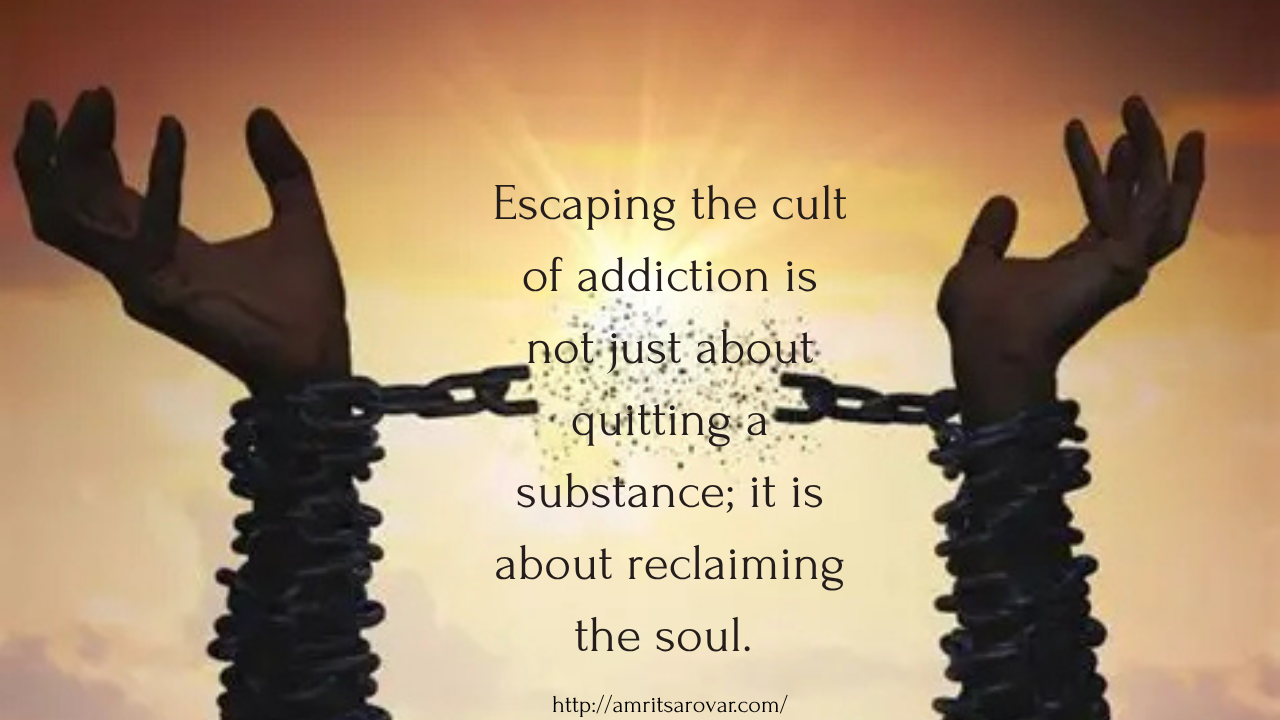
Addiction, in its most insidious form, is not just a physical dependency or a mental health issue—it is a counterfeit religion. It demands allegiance, shapes identity, creates rituals, and requires sacrifice. Like a cult, addiction isolates its followers, rewires their beliefs, and entraps them in a destructive cycle masked as salvation. To escape the cult of addiction is to embark on a spiritual journey back to truth, love, and authentic worship.
The Cult-Like Grip of Addiction
Addiction, much like a cult, begins with a seductive promise: comfort, escape, confidence, or relief. At first, it feels like the answer to pain or emptiness. Over time, however, the substance or behavior becomes a master, manipulating thoughts and distorting reality. The addicted individual often becomes blind to the damage it causes, just as cult members are blinded by the allure of their false leader. Rational thought is replaced by obsession, and the substance becomes the center of life.
Rituals and Isolation
Cults are known for their rituals and the isolation of their members. Addiction operates the same way. The daily rituals of obtaining, using, and recovering from the substance become sacred routines. These practices are private, often secretive, cutting individuals off from loved ones and support systems. Isolation deepens the addiction’s control, making escape feel impossible. The world outside the addiction seems foreign, while the world within becomes familiar and falsely comforting.
The Price of Worship
Addiction requires sacrifice. Physical health, mental stability, relationships, finances, and personal integrity are laid on its altar. The more a person gives, the more addiction demands. This false worship offers fleeting highs and temporary escapes, but the cost is lasting devastation. Like cult leaders who drain the life from their followers, addiction leaves individuals spiritually bankrupt and emotionally depleted.
The Awakening
Escape begins with an awakening—a moment of clarity where the truth begins to shine through the lies. This moment is often painful but transformative. The addicted soul begins to see addiction not as a friend or savior but as a captor. This awareness is the first act of rebellion against the cult of addiction, a declaration that a different life is possible.
Returning to True Worship
True worship is not about control or sacrifice for a false promise. It is about aligning the soul with love, purpose, and truth. Many people find freedom from addiction by turning to faith, reconnecting with a higher power, and embracing spiritual truths that restore dignity and identity. Communities of recovery, faith groups, and supportive relationships offer new rituals—ones of healing, hope, and service. In these spaces, the soul finds what addiction falsely promised: peace, connection, and purpose.
Conclusion
Escaping the cult of addiction is not just about quitting a substance; it is about reclaiming the soul. It means exchanging false worship for true devotion, replacing destructive rituals with healing habits, and finding purpose in love and faith. This journey is not easy, but it leads to freedom—freedom not just from addiction, but toward a life of wholeness, truth, and authentic worship.