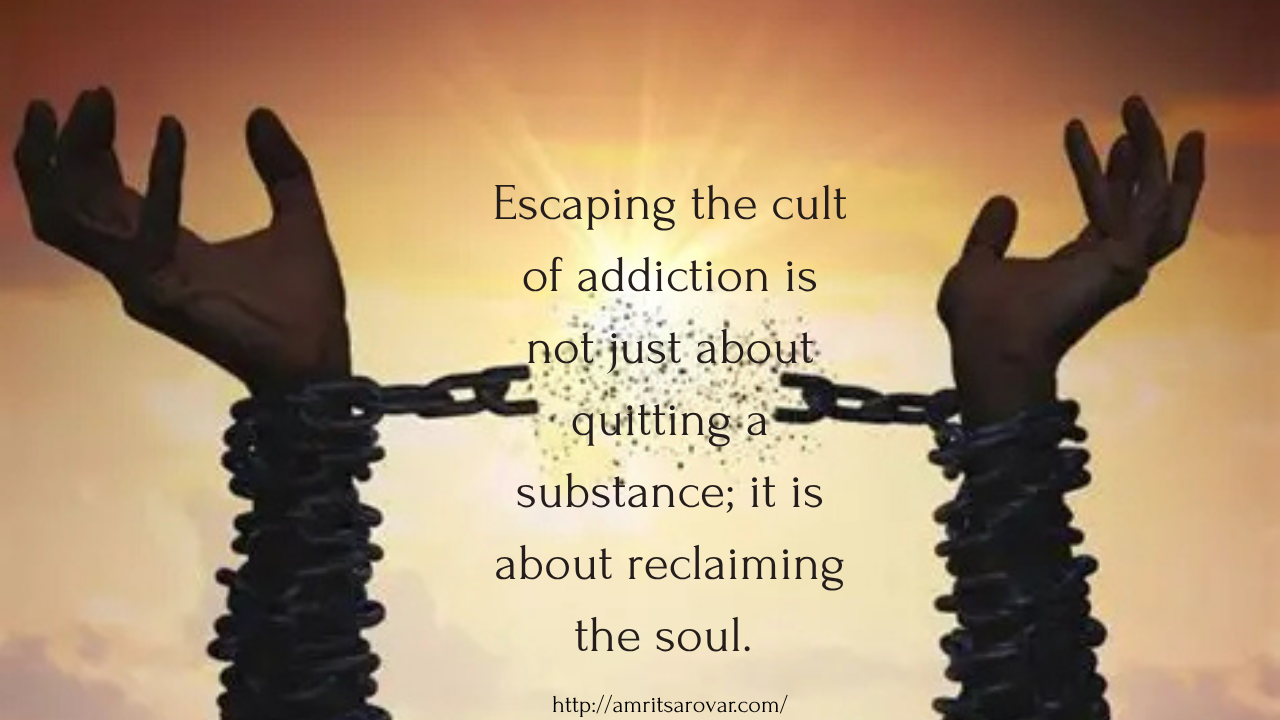
Addiction is a form of captivity that not only affects the body and mind but also enslaves the soul. It demands attention, devotion, and sacrifice—traits typically associated with worship. The path of addiction mirrors a kind of false religion, where substances or compulsive behaviors take center stage, leaving individuals spiritually impoverished. Breaking free from addiction is more than quitting a harmful habit; it is about reclaiming one’s soul, reconnecting with the divine, and rediscovering authentic worship.
Addiction as Spiritual Captivity
In addiction, individuals often find themselves worshiping a false idol. The substance or behavior becomes the primary source of comfort, identity, and control. Over time, this dependency distorts values, shatters relationships, and silences the voice of conscience. Like ancient captives worshiping false gods in foreign lands, those ensnared by addiction may feel estranged from their true purpose and identity.
Addiction isolates. It pulls people away from their communities, their loved ones, and their spiritual roots. The longer someone remains in captivity, the more distant their connection to the divine becomes. This spiritual disconnection deepens the sense of hopelessness and makes recovery feel unattainable.
Awakening to the Need for Connection
The journey from captivity begins with an awakening—a recognition that the object of worship has been unworthy. This awakening is often marked by moments of clarity, pain, or desperation, where the individual realizes the destructive nature of their addiction. It is the beginning of a spiritual exodus, a turning point where the heart starts seeking something real and redemptive.
Connection is the key to recovery. Reconnecting with a higher power, with oneself, and with a supportive community is essential for healing. True worship is about relationship—not ritualistic behavior or empty promises. It involves honesty, vulnerability, and a desire to grow in truth.
Reclaiming True Worship
Reclaiming true worship means realigning life around what is good, true, and eternal. For many, this begins with faith—a reconnection with God or a higher power who offers grace and guidance. Worship becomes an act of surrender, not to addiction, but to love and transformation. It’s no longer about escape, but about presence and purpose.
Spiritual practices such as prayer, meditation, scripture reading, and fellowship become tools of connection and restoration. These practices replace the rituals of addiction with rhythms of healing. They foster a sense of belonging, direction, and hope that addiction could never provide.
Living in Freedom
Recovery is not a one-time event but a continual journey from captivity to connection. Every day presents a choice: to return to the false idol of addiction or to walk in the freedom of true worship. As individuals grow in faith and purpose, they find strength not in willpower alone, but in the support of their spiritual foundation and community.
Conclusion
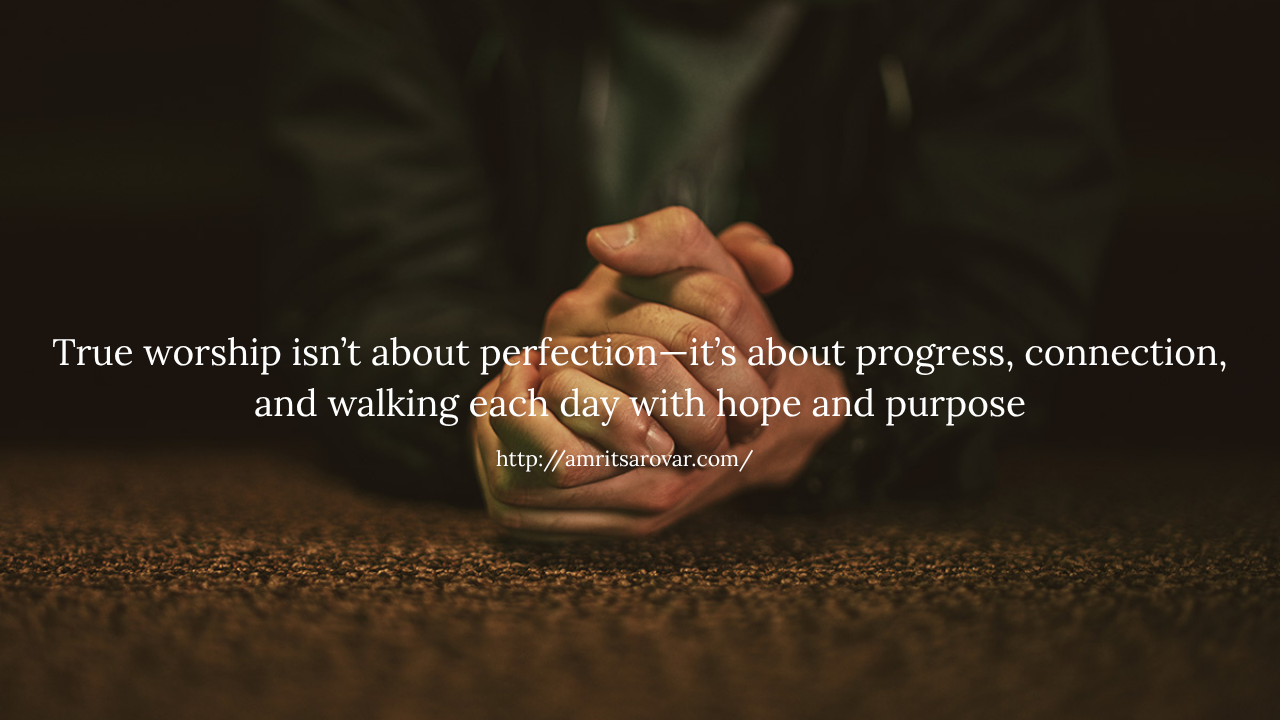
Addiction may have held you captive, but it does not define your destiny. Through faith, connection, and intentional worship, you can break free from its grip and reclaim the life you were created to live. True worship isn’t about perfection—it’s about progress, connection, and walking each day with hope and purpose.